Business
ONINO Platform Overview: Financing Infrastructure for Digital Securities
What ONINO is and isn't: white-label financing infrastructure, not a crowdfunding or blockchain company. How it works for asset managers and banks.

Alexandre Lehr
CEO
last updated on
Share
90% of Clients start with a free personal strategy
On this page
Contact Us
ONINO provides infrastructure for digital & tokenized financing to make your next financing a success.
Quick Takeaway
ONINO is a software provider of white-label financing infrastructure for issuing and managing digital securities in the EU, not a crypto platform. The platform covers issuance, KYC and AML workflows, investor management and secondary market functionality in one system. Licensed functions run through pre-integrated partners; the permission sits with those partners or with the client, not with ONINO. Two user groups: companies raising capital from multiple investors, and financial institutions licensing white-label infrastructure to offer branded financing products. Live platforms across 7+ jurisdictions.
ONINO Platform Overview: Financing Infrastructure for Digital Securities
Platforms that handle issuance, compliance, investor management, and settlement in one place are at the centre of how digital securities are changing capital markets. ONINO provides the software layer those platforms run on.
This article explains what the ONINO platform does, who it is designed for, and why the regulatory framework it operates within matters for anyone raising capital or building a financing product in Europe.
What Is Tokenization in Financial Services?
Tokenization in financial services refers to the process of representing financial instruments as digital records on a regulated system. These instruments can include equity, debt, fund units, real estate securities, and other asset classes.
The term is often associated with blockchain or cryptocurrency, but in a regulated context, tokenization means something more specific: creating a digital security that carries legal rights, is subject to financial regulation, and can be transferred, managed, and settled through compliant infrastructure.
In practice, this means a company can issue a bond or equity instrument digitally, manage hundreds or thousands of investors through a single platform, and automate compliance tasks that would traditionally require significant manual effort or third-party intermediaries.
Which Financial Institutions Are Entering the Digital Securities Space?
Tokenization of real-world assets has attracted significant institutional attention. BlackRock, JPMorgan, and Deutsche Bank have each announced or launched tokenized fund products in recent years. The European Central Bank has run pilots exploring digital bond settlement. In Germany, the Electronic Securities Act (eWpG), which came into force in 2021, created the legal basis for issuing electronic securities without paper certificates.
Volksbank, one of Germany's largest cooperative banking groups, has also moved into the space. ONINO powers a live digital securities platform for Volksbank, enabling the bank to offer regulated financing products to its clients through ONINO's infrastructure.
This institutional activity signals that tokenized securities are no longer experimental. They are becoming part of mainstream capital markets infrastructure.
What Is the ONINO Platform?
ONINO is a European fintech company that operates regulated infrastructure for issuing and managing digital securities. The platform is designed for financial institutions, investment firms, and companies that want to raise capital from multiple investors through a compliant, digital process.
ONINO operates under European financial regulation, including MiFID II and the relevant provisions of national securities law. This means that every issuance processed through the platform sits within a defined regulatory perimeter, with investor protection requirements, disclosure obligations, and KYC/AML processes built in.
As of 2026, ONINO supports eight live platforms across different markets and asset classes.
What Does ONINO Enable for Issuers?
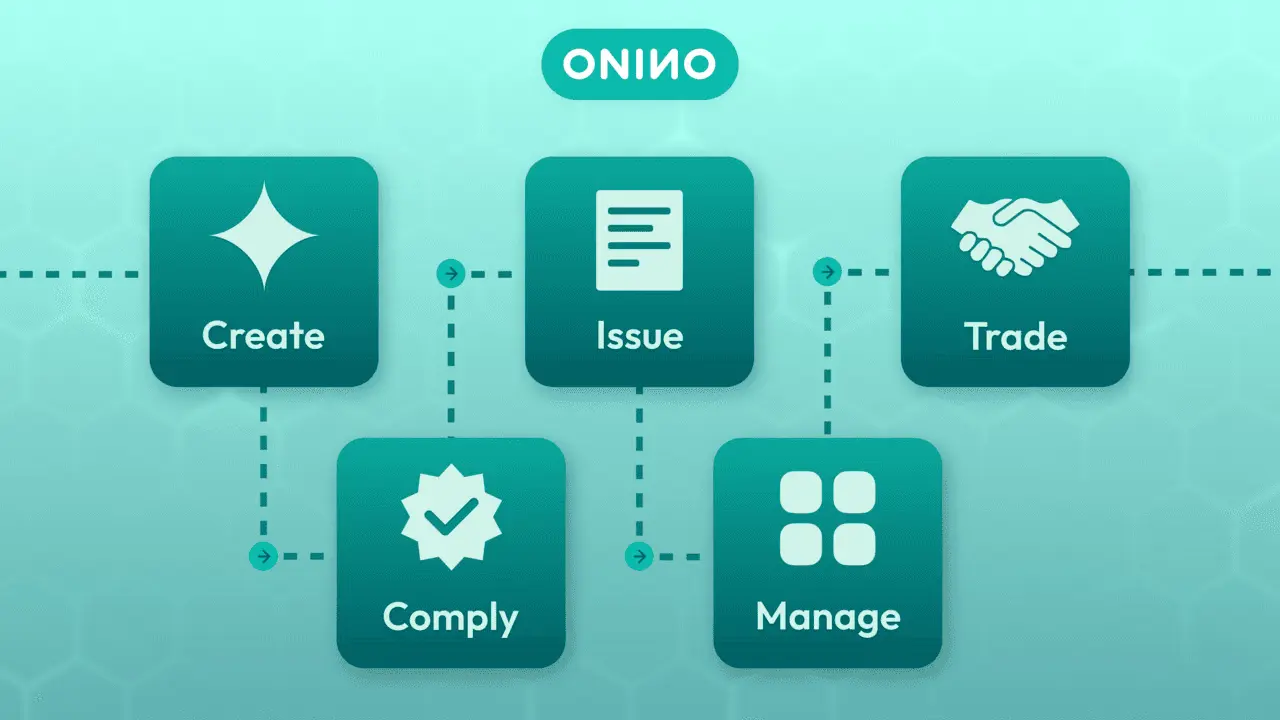
For a company raising capital, the platform handles the operational and compliance layer that would otherwise require multiple vendors or significant internal build effort.
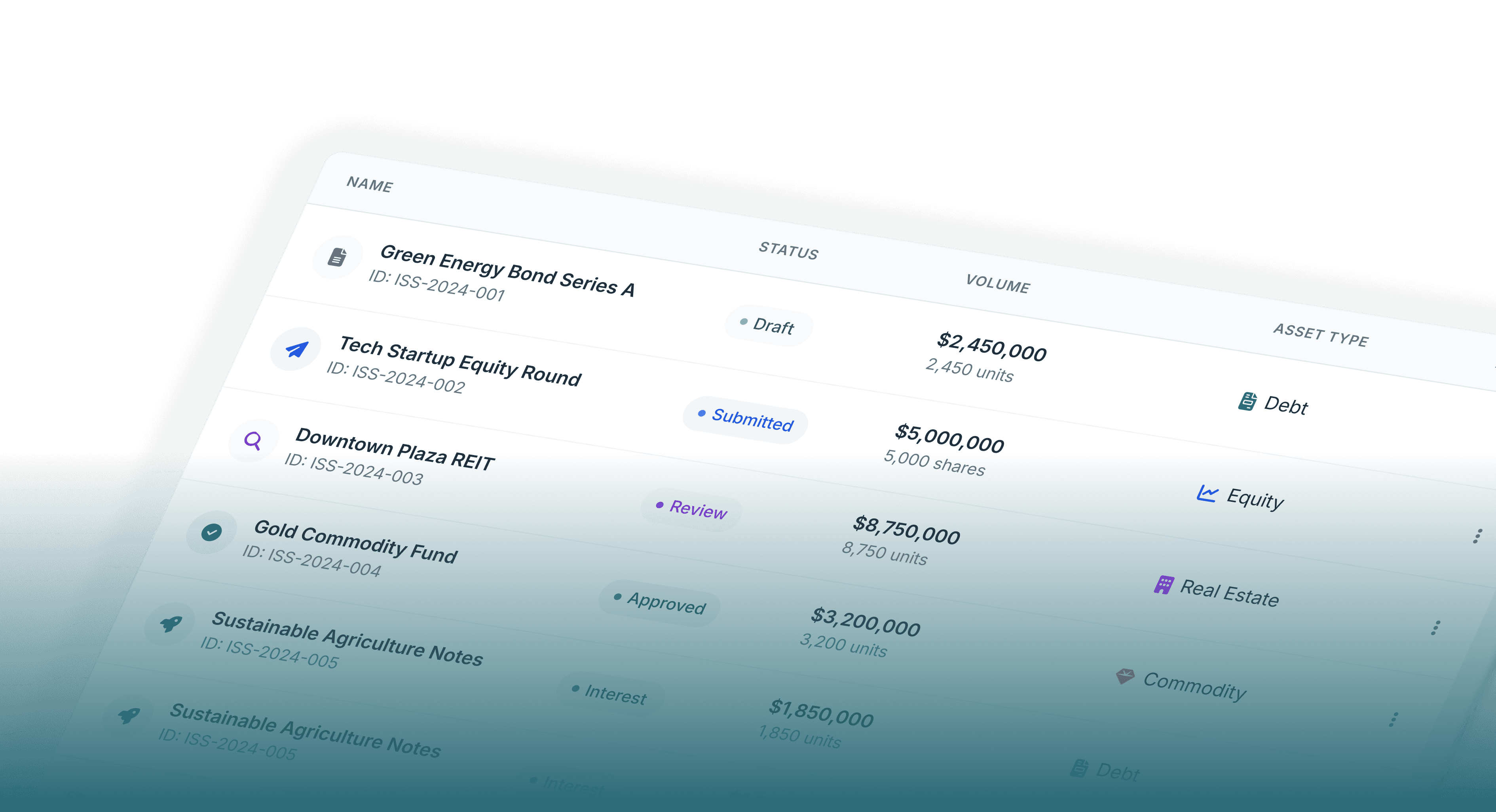
Digital issuance: Companies can structure and issue debt or equity instruments digitally, with documentation, regulatory disclosures, and investor agreements managed through the platform.
Investor management: The platform maintains a digital investor register, handles subscription workflows, and manages ongoing investor communication. This replaces manual spreadsheet-based processes that are common in private placements.
Compliance infrastructure: KYC and AML checks, investor suitability assessments, and regulatory reporting are integrated into the issuance workflow rather than handled separately.
Secondary market functionality: Depending on the structure, investors may be able to transfer their holdings through the platform, increasing liquidity options that are typically absent from private market instruments.
What Does ONINO Enable for Financial Institutions?
Banks, asset managers, and other regulated entities can license the ONINO infrastructure to build their own branded financing platforms. This is a white-label model: the institution operates a platform under its own brand, while ONINO provides the underlying technology and regulatory infrastructure.
This approach allows financial institutions to offer digital securities products to their clients without building the compliance and technical infrastructure from scratch. The Volksbank partnership is an example of this model in practice.
For institutions evaluating whether to build their own platform or license existing infrastructure, the operational and regulatory complexity of building a compliant issuance platform from scratch typically makes licensing a more viable path.
Who Uses the ONINO Platform?
ONINO serves two primary user groups. The first is companies and issuers that want to raise capital through digital securities. These include real estate firms, SMEs, and investment managers who need a compliant way to reach multiple investors without the cost structure of a traditional public offering.
The second group is financial institutions and platform operators that want to offer digital financing products under their own brand. These clients use ONINO's white-label infrastructure to build market-facing platforms.
Both groups benefit from the same core infrastructure: a regulated, auditable system for managing the full lifecycle of a digital security from issuance to investor exit.
How ONINO Differs from a Crypto Platform
A common point of confusion is the relationship between digital securities platforms and cryptocurrency exchanges. ONINO is not a crypto platform. It does not operate a token exchange or facilitate trading of speculative digital assets.
The digital securities issued through ONINO are regulated financial instruments. They carry investor rights, are subject to disclosure requirements, and operate within the same legal framework as traditional securities. The "digital" aspect refers to the format and management of the instrument, not to any cryptocurrency component.
This distinction matters for issuers and investors who need regulatory certainty, and for financial institutions that cannot operate in unregulated asset classes.
ONINO's infrastructure handles compliance, investor onboarding, and reporting from day one - so you can focus on structuring your deal and building your investor base. Platforms go live in under 24 hours, with no internal technical build required.
FAQ
What types of securities can be issued through ONINO?
ONINO supports a range of regulated instruments including debt securities such as bonds and notes, equity instruments, fund units, and asset-backed securities. The platform is structured to handle instruments that fall within European securities regulation, which means each instrument carries defined legal rights and is subject to applicable disclosure and investor protection requirements.
Is ONINO available outside Germany?
ONINO is a European platform and operates across multiple jurisdictions within the EU regulatory framework. While the platform was established in Germany under the eWpG framework, it is designed to support cross-border issuances and institutions operating in other EU member states.
What is a white-label digital securities platform?
A white-label platform is infrastructure that a financial institution licenses and operates under its own brand. In the context of ONINO, this means a bank or investment firm can offer a fully branded digital securities product to its clients while ONINO provides the underlying issuance technology, compliance workflows, and regulatory infrastructure. The Volksbank platform is an example of this model.
How does ONINO handle investor onboarding and KYC?
KYC and AML checks are built directly into the investor onboarding workflow on the ONINO platform. Investors complete identity verification and suitability assessments as part of the subscription process, and this data is stored and managed within the platform's compliance infrastructure. Issuers do not need to manage this separately.
Does ONINO require issuers to have their own regulatory licence?
This depends on the structure of the issuance and the jurisdiction. ONINO operates under its own regulatory framework, and some issuance structures can proceed under ONINO's existing licences. However, certain issuances may require the issuer to hold or obtain their own authorisation depending on the instrument type and distribution approach. A product conversation with ONINO's team is the appropriate starting point for understanding which structure applies to a specific use case.
What is the difference between ONINO and a crowdfunding platform?
Crowdfunding platforms are typically regulated under the European Crowdfunding Service Provider Regulation (ECSPR) and are designed for smaller capital raises with specific investor limits. ONINO operates under a broader securities infrastructure framework, supporting institutional-grade issuances, white-label deployments, and secondary market functionality. The two models serve different market segments and operate under different regulatory regimes.
Summary
ONINO is a regulated European platform for issuing and managing digital securities. It provides the compliance, issuance, and investor management infrastructure that companies and financial institutions need to operate in the digital securities market without building that infrastructure themselves.
The platform serves two main groups: companies raising capital through digital instruments, and financial institutions building their own branded financing products using ONINO's white-label infrastructure. Both operate within the same regulated framework, which includes MiFID II compliance, integrated KYC/AML processes, and investor protection mechanisms.
As institutional adoption of digital securities grows across Europe, ONINO represents the infrastructure layer that connects regulatory requirements with operational delivery. With eight live platforms as of 2026 and partnerships including Volksbank, the platform has moved from concept to active deployment across multiple markets.
For companies and institutions evaluating whether digital securities infrastructure is relevant to their capital raising or product development plans, the starting point is understanding how the platform fits their specific regulatory context and investor base.
General information only, accurate at the date shown. Not legal, tax or investment advice. Confirm your own position with qualified counsel.
Want to learn more how this can be applied to your business?
Read related Articles
What ONINO is and isn't: white-label financing infrastructure, not a crowdfunding or blockchain company. How it works for asset managers and banks.


