
HOW IT WORKS
How to tokenize real estate, step by step
USE CASES
Real estate tokenization use cases
Development project financing, portfolio and asset refinancing, rental income participations, and white label real estate tokenization platforms for operators: the same regulated infrastructure adapts to your model.
FOR ISSUERS WHO TOKENIZE REPEATEDLY
One platform, every project
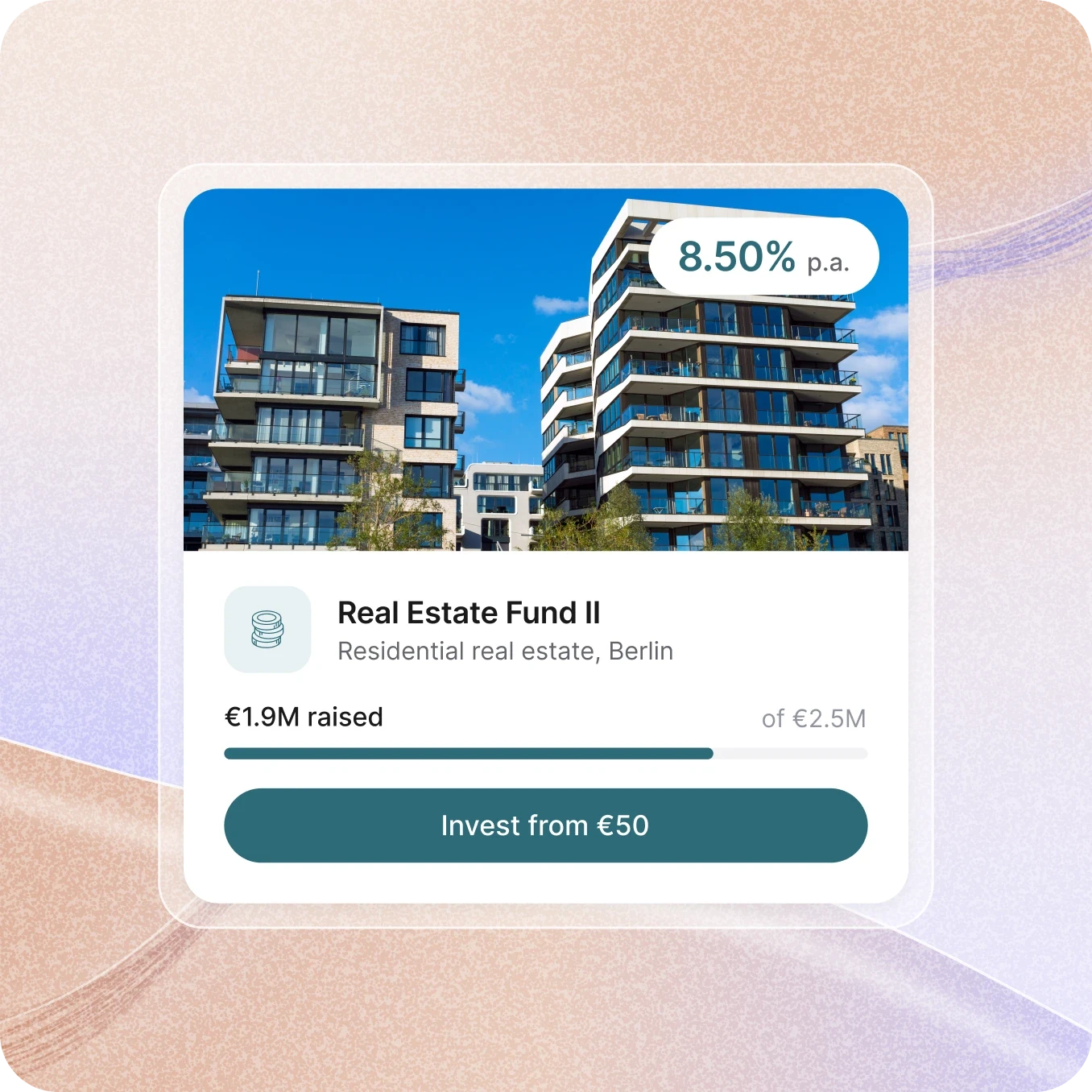
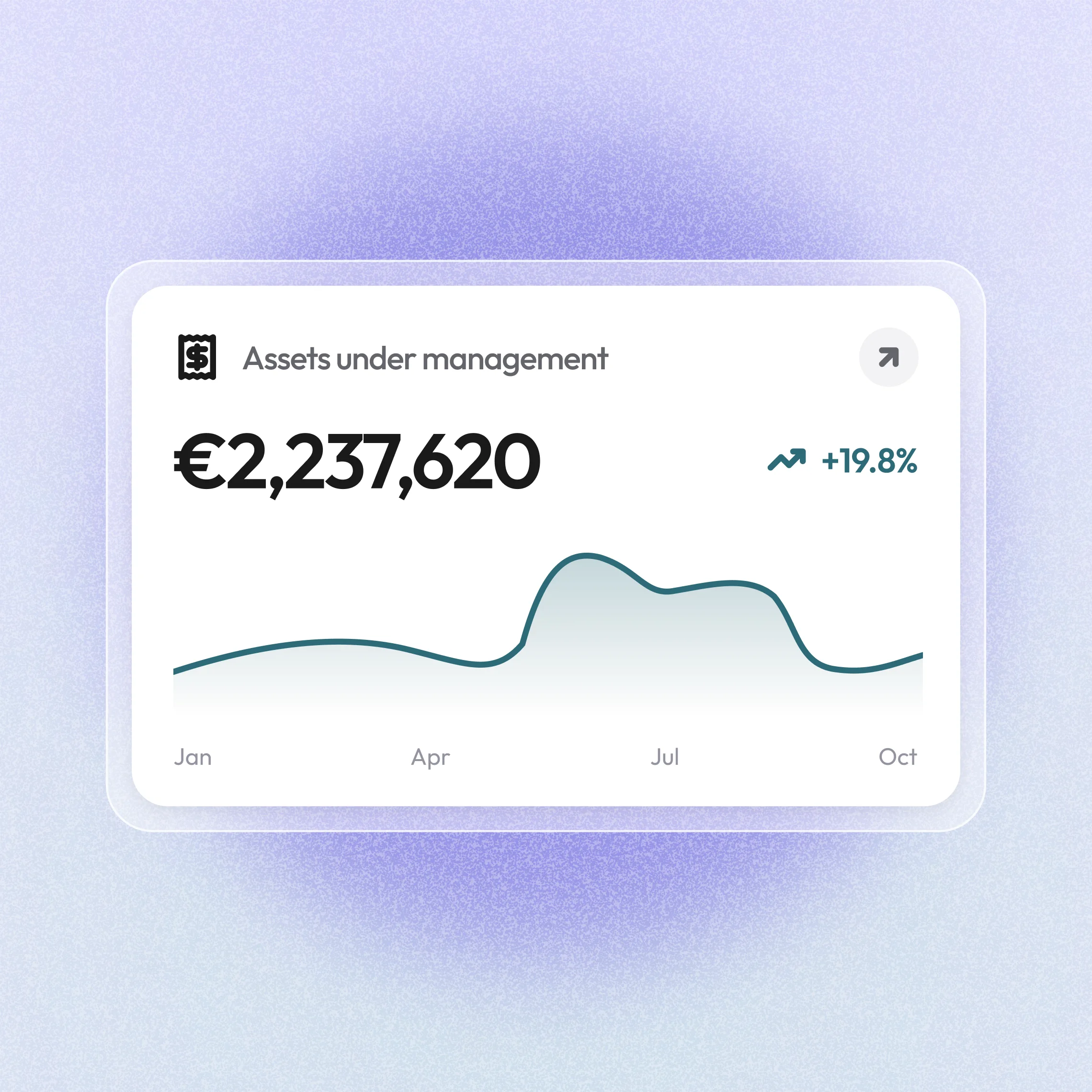
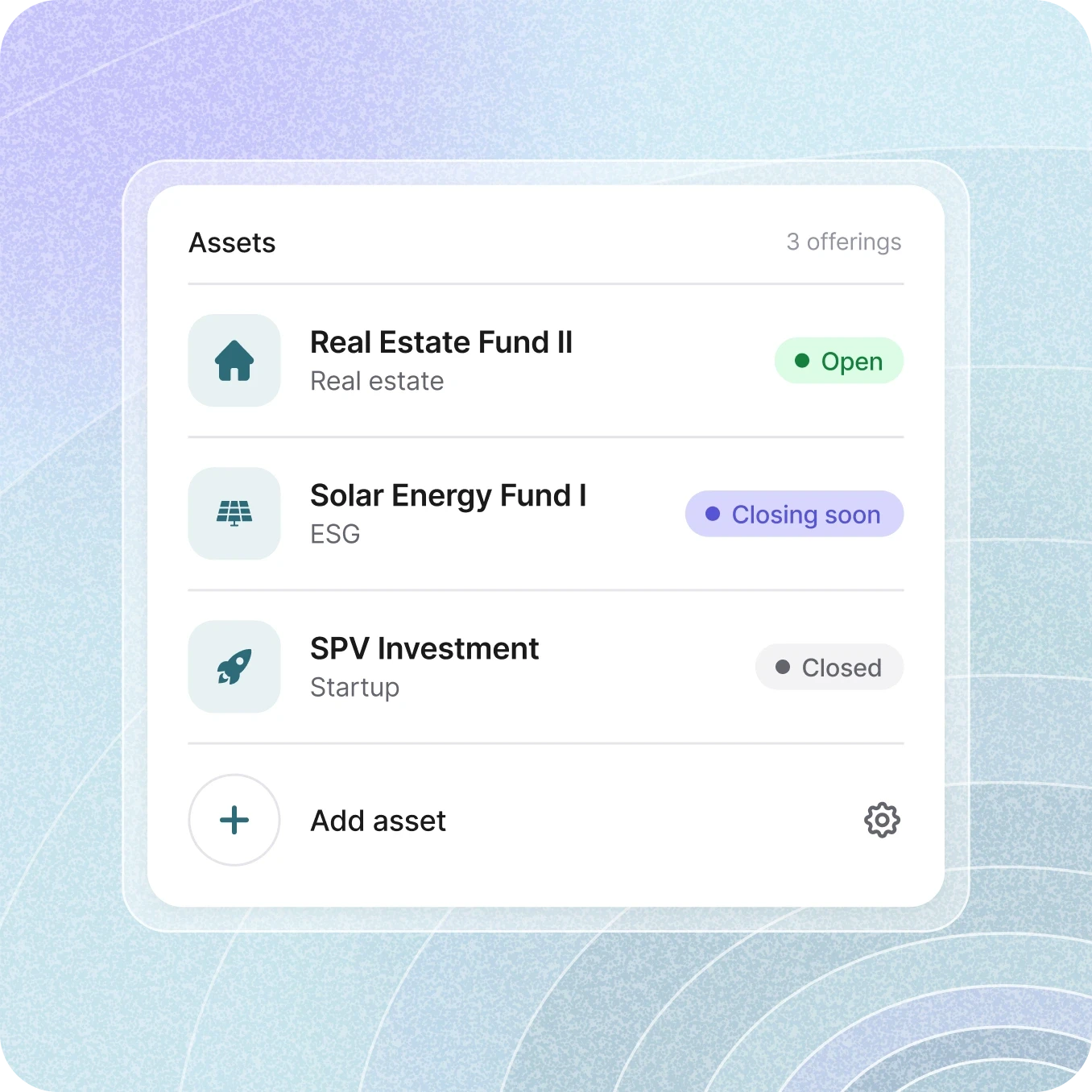
How to tokenize real estate repeatedly across projects Developers and asset managers don't tokenize once, they raise per project. With ONINO you onboard investors once, then issue each new tokenized offering to a base that already knows you, on the same compliant rails. No re-listing, no marketplace fees, no rebuilding the investor list.
COMMERCIAL ASSETS
Commercial real estate tokenization
Commercial real estate carries its own financing pattern: office, logistics and mixed-use projects usually raise from a smaller pool of larger, more sophisticated investors than residential projects do, and the underlying loan or bond is often structured with an equity kicker or a longer term. Tokenizing a commercial real estate offering means the same digital subscription, cap table and reporting process as a residential project, but the investor onboarding can allow larger tickets and fewer, more thorough checks per investor rather than many small retail checks.
For a developer running several commercial assets, the advantage compounds: the subscription flow, KYC process and investor register built for the first building carry over to the second and third, instead of being rebuilt each time. The instrument itself, whether a subordinated loan, a participation right or a tokenized bond, still follows the same regulatory classification it would on paper; digitizing it does not change which rules apply.

WHY ONINO
Why ONINO vs. other real estate tokenization platforms
Regulated, not offshore: ONINO can help you issue european electronic securities under the MiFID II, not offshore token wrappers.
End to end: full issuance, compliance and investor management on your own brand, not just a token like pure tokenization tools.
Licensed Electronic Securities Act register integrated: issue digital securities without holding a German Banking Act license.
Proven: €50M+ financed, €750M+ in pipeline, issuers in 24+ countries.
FOR WHO
For developers, asset managers and platform operators
Built for real estate developers financing projects, asset managers tokenizing portfolios and funds, and operators launching their own white label real estate tokenization platform. Your investors get digital access, small minimums and transferable securities; you keep the relationship and the economics.
COMPLIANCE
Is real estate tokenization legal in the EU?
Tokenizing real estate is legal across the EU: tokenization changes the form of the instrument, not the legal regime.
Financial instrument under MiFID II: a tokenized real estate bond is a transferable security. The full EU investor protection framework applies, exactly as for any traditional bond, and regulated distribution runs through licensed firms.
Public offers under the EU Prospectus Regulation: since the EU Listing Act, member states allow prospectus-free offers with a short national disclosure document up to €12M per issuer and 12 months. Germany applies the full €12M with a BaFin-approved securities information sheet, and since 2026 issuers may self-place with no per-investor caps. Above €12M or for cross-border retail offers: an approved EU prospectus, passportable to every member state.
National instruments: subordinated loans and participation rights remain available under national capital-investment regimes, in Germany prospectus-free up to €6M per 12 months when distributed via a licensed platform that checks per-investor limits, with an information sheet still required.
ECSPR crowdfunding: offers up to €5M per project owner and 12 months run EU-wide through licensed crowdfunding service providers, one regime for all member states. MiCA does not apply: MiCA expressly excludes crypto-assets that qualify as financial instruments under MiFID II.
Tokenized securities stay under EU securities law; in Germany they are issued as crypto securities under the eWpG.
FAQ
Real estate tokenization FAQ
Costs, timelines and legal setup: the answers issuers ask us most.